


ABOUT Angelchemical
The Best Manufacturer In Vadodara
Top Picks For You
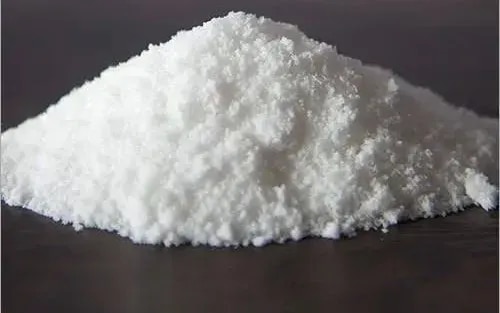
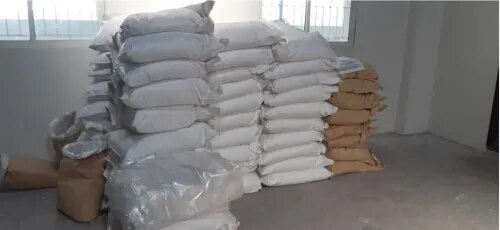
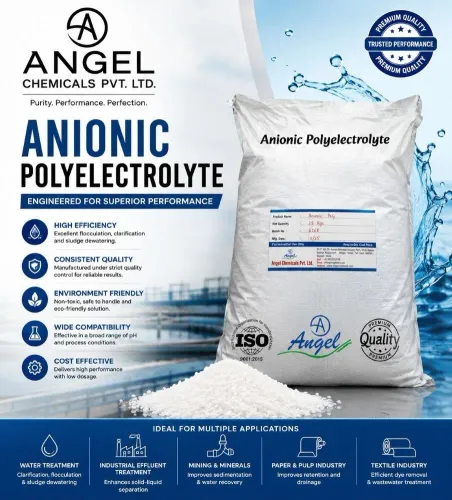
Poly Electrolyte Powder
Polyelectrolyte powder is a water-soluble polymer that carries an electrical charge (either positive or negative) along its molecular chain. These charged groups, when dissolved in water, dissociate into ions, making them effective for various applications like water treatment, where they act as flocculants to remove suspended particles, and in other industries such as mining and paper production. Key characteristics of polyelectrolyte powder: Water-soluble: They dissolve in water, allowing their charged ions to interact with other substances. Charged groups: Polyelectrolytes contain ionizable groups (either positive or negative) that dissociate in solution. Flocculation: They are commonly used as flocculants, which means they cause suspended particles in liquids to clump together, making them easier to remove. Versatile: Polyelectrolytes have a wide range of applications beyond water treatment, including mining, paper production, and more. Variety: They can be anionic (negatively charged), cationic (positively charged), or nonionic (no charge). Common uses: Wastewater treatment: Polyelectrolytes help clarify wastewater by removing suspended solids through flocculation and sedimentation. Sludge dewatering: They aid in reducing the volume of sludge by removing water, making it easier to handle and dispose of. Paper and pulp industry: Polyelectrolytes are used to improve paper strength, drainage, and retention of fillers and pigments. Mining industry: They assist in mineral processing by separating valuable minerals from waste materials. Other applications: Polyelectrolytes are also used in oil recovery, textile processing, and various other industrial processes.
Non Ferric Alum Powder
Non-ferric alum powder, also known as aluminum sulfate, is a white, crystalline powder that is soluble in water. It is a high-purity form of aluminum sulfate, produced without iron impurities, making it ideal for applications requiring high purity, such as paper manufacturing. It is used as a coagulant in water purification and as a sizing agent in paper production. Key Characteristics: Appearance: White, crystalline powder. Solubility: Highly soluble in water. Purity: Non-ferric, meaning it has very low iron content, making it suitable for applications where iron contamination is undesirable. Chemical Formula: Al2(SO4)3. Production: Typically made from aluminum trihydrate and sulfuric acid. Common Uses: Water Purification: Acts as a coagulant to remove impurities from drinking water and wastewater. Paper Manufacturing: Used as a sizing agent to improve the paper's ink receptivity and overall quality. Textiles: Enhances dye absorption and color permanence in the textile industry. Distinction from Ferric Alum: Ferric alum: contains iron impurities, whereas non-ferric alum is iron-free. Ferric alum: is often sourced from bauxite, while non-ferric alum is derived from aluminum trihydrate. Non-ferric alum: is preferred for applications where iron contamination is a concern, like in premium paper production.
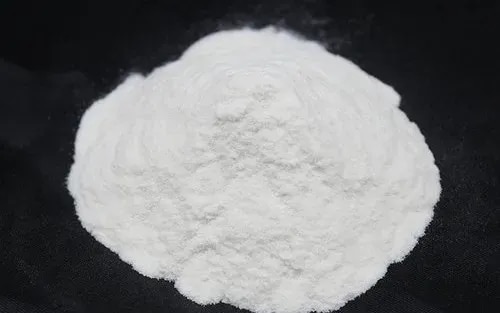
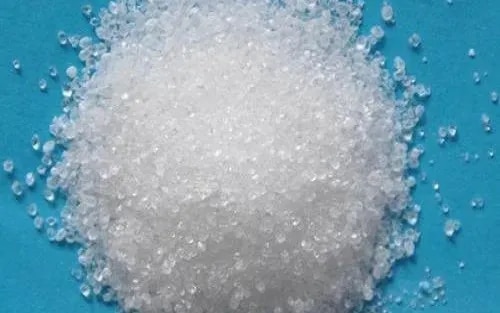
Citric Acid Mono
Citric Acid Mono, also known as Citric Acid Monohydrate, is a weak organic acid with the chemical formula C6H8O7·H2O. It is a naturally occurring substance found in citrus fruits, particularly lemons and limes. It's the hydrated form of citric acid, meaning it contains one molecule of water per molecule of citric acid. Citric acid monohydrate is widely used as a food additive, a cleaning agent, and in various industrial and pharmaceutical applications. Here's a more detailed description: Chemical Properties: Formula: C6H8O7·H2O Molecular Weight: 210.14 g/mol Appearance: White crystalline powder Solubility: Soluble in water and alcohol Melting Point: Around 153°C Naturally Occurring: Found in citrus fruits, especially lemons and limes Uses: Food and Beverage Industry: Used as a flavoring agent, preservative, and antioxidant. It provides a sour taste and helps prevent browning in cut fruits. Cleaning Agent: A safe and effective alternative to harsh chemical cleaners. Pharmaceuticals: Used as an excipient (inactive ingredient) in drug formulations, contributing to stability and acting as a preservative. Industrial Applications: Used in various processes, including metal cleaning, galvanizing, soldering, and tinning. Cosmetics: Used in some cosmetic products. Other Important Information: Citric Acid Cycle: Citric acid monohydrate is an intermediate in the citric acid cycle (also known as the Krebs cycle), a key metabolic pathway in all living organisms. Safety: Generally considered safe for consumption and use in various applications, but it can cause irritation if it comes into contact with skin or eyes. Storage: Should be stored in a cool, dry place, away from moisture.
Notes, news and what we are reading
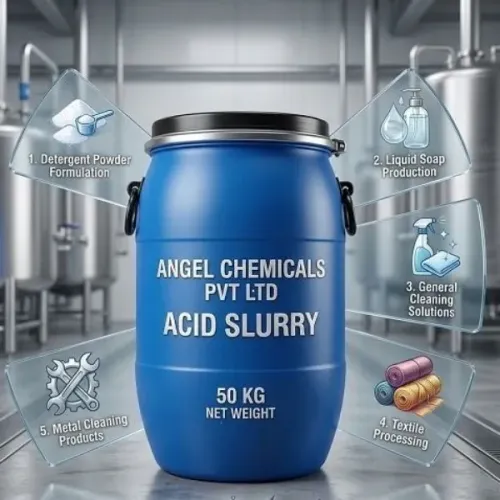
Take a closer look
A selection of photographs from our gallery. Drag to browse.